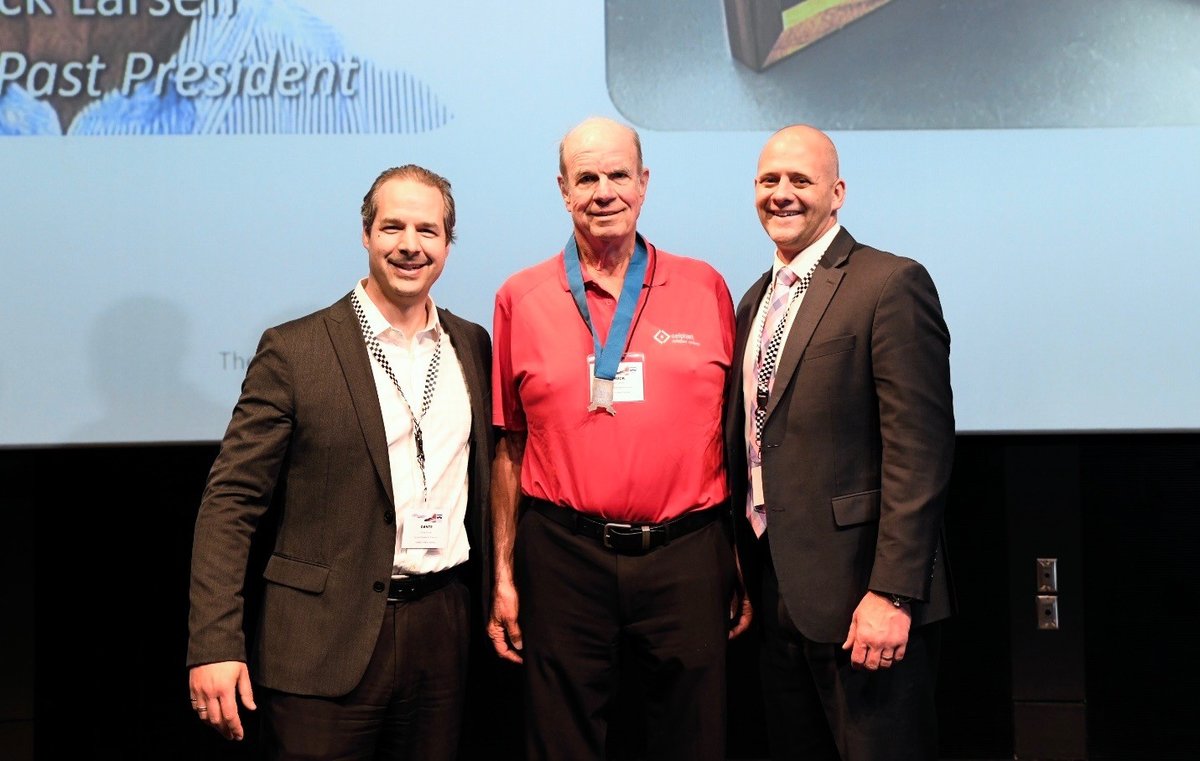
The glint of a polished trophy, the buzz of a well-deserved announcement, the quiet pride of a team acknowledged – [Awards, Nominations & Industry Recognition] aren't just about accolades; they're powerful engines for motivation, innovation, and strategic growth. Whether you're celebrating an employee's exceptional performance or vying for top honors in a competitive industry, understanding the art and science behind meaningful recognition can profoundly shape your success.
This isn't merely about handing out participation ribbons. True recognition, both internally and externally, creates a ripple effect, bolstering morale, driving productivity, and burnishing your reputation. Let's explore how to leverage these critical tools effectively, ensuring your efforts genuinely highlight top performers and groundbreaking innovation.
At a Glance: Key Takeaways on Recognition
- Recognition isn't optional: It's a vital tool for boosting morale, productivity, and loyalty, both within your organization and in your industry.
- Consistency is key: For employee recognition, aim for quarterly touchpoints, not just annual events.
- Tailor your approach: Generic "thanks" fall flat. Make recognition specific to achievements, values, and individual preferences.
- Balance formal and informal: A mix of grand ceremonies and everyday appreciative gestures creates a comprehensive culture of recognition.
- Visibility matters: Publicly acknowledge achievements to inspire others and amplify impact.
- Industry awards are strategic: Nominating for external awards elevates your brand, attracts talent, and validates innovation to clients and peers.
- Master the nomination process: Understand eligibility, craft compelling submissions, and highlight measurable impact.
- Feedback is fundamental: Regular positive feedback is the bedrock of any effective recognition strategy.
Beyond the Plaque: Why Awards and Recognition Matter
At its heart, recognition is about acknowledging value. It’s a fundamental human need to feel seen, appreciated, and that one's contributions make a difference. In a professional context, this translates into tangible benefits that directly impact the bottom line.
Think about it: an employee who feels consistently valued is more engaged, more productive, and far less likely to seek opportunities elsewhere. A company celebrated for its innovation by industry peers gains credibility, attracts top talent, and signals leadership to its market. This dual impact—internal morale and external prestige—is why effective recognition strategies are non-negotiable for thriving organizations.
Internal recognition, focused on your employees, fuels your culture from within. It reinforces desired behaviors, celebrates milestones, and builds a sense of belonging. External recognition, often through industry awards and nominations, projects your strengths outward, enhancing your brand, attracting partners, and influencing market perception. Both are crucial, working in tandem to create a robust ecosystem of appreciation and achievement.
The Blueprint for Internal Excellence: Crafting Employee Recognition Programs
Imagine a workplace where every employee feels their hard work is not just noticed, but truly celebrated. That’s the power of a well-designed employee recognition program. It's more than just a nice-to-have; it's a strategic imperative that boosts engagement, motivates teams, and reinforces a positive company culture.
Awards.com, a leading resource in this space, emphasizes that consistent, meaningful recognition is paramount. Annual awards alone simply aren't enough to sustain motivation throughout the year; quarterly recognition is often ideal.
Core Principles of Effective Employee Recognition
To make your recognition efforts resonate, keep these principles in mind:
- Consistency: Don't wait for annual reviews. Integrate recognition into your routine, aiming for frequent touchpoints, perhaps quarterly, to keep appreciation fresh and relevant.
- Promptness: Acknowledge efforts swiftly. The closer the recognition is to the achievement, the stronger the connection and the greater the impact.
- Tailoring: Steer clear of generic "thank yous." Make recognition specific to the individual, their actions, the values demonstrated, and even their personal preferences. A personalized thank-you note means more than a generic email.
- Balance: Mix formal ceremonies with informal shout-outs. Sometimes a "funny" award can lighten the mood, while a formal plaque provides a lasting symbol of significant achievement.
- Visibility: Use all-hands meetings, company newsletters, or internal communication channels to publicly recognize achievements. This not only celebrates the individual but also inspires others.
- Tangibility: Provide physical awards like plaques, custom trophies, or personalized items. These serve as lasting reminders of their contributions and allow employees to proudly display their achievements.
- Impact: A well-structured awards program with diverse categories inspires all employees by showing that various forms of contribution are valued. Formal ceremonies enhance the perceived value of the recognition.
Designing Your Recognition Program: Diverse Categories for Diverse Contributions
A truly impactful program caters to the many ways employees contribute. Here are some actionable strategies and award categories, drawing inspiration from industry best practices:
- General Excellence: These are your cornerstone awards.
- Employee of the Week/Month/Year: A tiered approach, where incrementally significant rewards recognize consistent, all-around excellence. This often covers the individual who consistently goes above and beyond in their daily duties.
- Celebrating Commitment & Longevity:
- Work Anniversaries/Milestones: Honor tenure (e.g., 5, 10, 20 years) with personalized recognition, group ceremonies, or service awards. This shows you value loyalty and dedication.
- Departmental Contributions:
- Department MVP: Recognize standout employees within specific departments (e.g., Human Resources, Sales, Marketing) for their unique and indispensable contributions to their team's success.
- Fostering Collaboration:
- Teamwork Awards: Acknowledge individuals who positively influence teamwork, morale, and leadership within a team setting. This could be for exceptional cross-functional project success or fostering an inclusive environment.
- Driving Growth & Development:
- Performance Elevation Award: Celebrate significant improvements, successful navigation of major projects with renewed vigor, or employees who proactively pursue additional training and skill development.
- Shaping Culture & Peer Impact:
- Culture Contributor/Team Player: Recognize those who embody company values, foster a positive work environment, and work well with others. Peer nominations (e.g., "Associate Appreciation," "High Five Award") are particularly effective here, reflecting organic appreciation.
- Sparking Innovation:
- Creativity Award: Honor employees who develop unique solutions to challenging problems, streamline processes, or launch successful creative campaigns. This encourages out-of-the-box thinking.
- Rewarding Initiative & Proactiveness:
- Exceeding Expectations/Initiative Award: Acknowledge individuals who consistently go beyond their job descriptions, take on extra responsibilities, or proactively identify and solve problems (e.g., "Ace of Initiative," "WOW Award").
- Prioritizing Safety:
- Safety Excellence Award: Reward strong safety records, proactive adherence to safety protocols, and contributions to a safe work environment (e.g., "Silver Shield Award," "Safety Star Award").
- Delivering Stellar Service:
- Customer Service Excellence: Crucial for customer-facing roles, this award recognizes employees who provide exceptional service, resolve complex issues, and build strong client relationships (e.g., "Customer Whisperer," "Platinum Service Award").
- Recognizing Elite Leadership & Top Performance:
- President’s Circle/Shining Star Award: Creative names for your organization's top performers, often presented with prestigious crystal awards, symbolizing elite status and inspiring others to strive for similar heights. These highlight individuals who consistently achieve outstanding results and exemplify leadership qualities.
- Retention & Loyalty:
- Work Tenure Milestones: Beyond just celebrating anniversaries, use awards like personalized desk accessories to visibly acknowledge and enhance loyalty.
Beyond the Ceremony: Diverse Recognition Delivery Methods
Recognition doesn't always need a grand stage. How you deliver appreciation can be as impactful as what you're recognizing:
- Regular, Positive Feedback: This is the bedrock. Whether in person, via email, or a quick Zoom call, consistent feedback makes employees feel seen.
- Company Swag: Branded mugs, hoodies, or high-quality notebooks can be small, yet meaningful, tokens of appreciation.
- Unique Experiences: Think outside the box. Offer adventure activities, creative classes, or even a wellness day. These provide lasting memories and personal growth.
- Personalized & Functional Awards: A high-quality candle holder, a custom-engraved wine box, or a personalized tech accessory can offer unexpected recognition that blends into daily life.
- Integrate into Meetings & Events: Incorporate small tokens of recognition into regular team meetings, and save larger presentations for social events or company parties.
The benefits of a robust recognition program are clear: boosted team morale, maintained high productivity, enhanced employee loyalty (reducing costly turnover), and a positive external perception that makes your company an attractive place to work.
Conquering the External Stage: Navigating Industry Awards and Nominations
While internal recognition strengthens your foundation, industry awards provide a crucial external validation. These accolades demonstrate leadership, innovation, and superior performance to a broader audience—peers, clients, and potential partners.
Take the MMI/Barron's Industry Awards, for example. Now in their 17th year, they specifically recognize firms that push the boundaries in investment advisory solutions. Winning or even being a finalist in such a prestigious program isn't just a pat on the back; it's a strategic asset.
The Power of External Validation
Why invest time and resources in pursuing industry awards?
- Elevated Credibility: An impartial third party (the awards committee) validates your excellence, adding immense weight to your claims of innovation and leadership.
- Increased Visibility: Finalist and winner announcements are often amplified through industry publications, media partners, and association channels, putting your firm in the spotlight.
- Competitive Edge: Being an award-winning firm can differentiate you in a crowded market, influencing client decisions and attracting top-tier talent.
- Team Morale & Retention: Just like internal awards, external recognition boosts team morale and pride, reinforcing the value of their collective work. It signals that their hard work is making a significant industry impact.
- Networking Opportunities: Awards ceremonies often bring together industry leaders, creating valuable networking and partnership opportunities.
Decoding Industry Award Categories
Industry awards are typically structured to recognize specific areas of excellence. Understanding these categories is the first step in identifying where your firm shines brightest. Let's look at the structure exemplified by the MMI/Barron's awards:
Open Categories (Accessible to any firm type)
These categories reward innovative solutions and exemplary practices applicable across the industry:
- DIGITAL INNOVATION: For new or enhanced digital technology solutions that improve user experience, streamline processes, increase advisor productivity, or improve investor outcomes (e.g., a new AI-driven analytics platform or an enhanced client portal).
- DISRUPTION: For groundbreaking new services or processes that fundamentally alter the delivery of advisory solutions. This is for truly game-changing ideas, not just incremental improvements.
- DISTRIBUTION EXCELLENCE: Recognizes exemplary and innovative advisor sales support, both in the field and from the home office. This could involve new training programs or advanced sales tools.
- DOING GOOD: Celebrates firm-wide initiatives that contribute to community betterment and address specific social needs (e.g., a successful ESG investing initiative or a substantial philanthropic program).
- INVESTMENT INNOVATION: For groundbreaking and impactful investment strategies and product innovations with exceptional creativity and measurable market impact (e.g., a novel ETF structure or a cutting-edge quantitative strategy).
- MARKETING CAMPAIGN OF THE YEAR: Honors innovative, creative, and impactful marketing campaigns that elevate brand visibility and drive measurable results.
- THOUGHT LEADERSHIP/EDUCATION: For new programs, research, educational campaigns, or content that significantly advances industry knowledge and understanding (e.g., a series of influential white papers or a comprehensive advisor education platform).
Restricted Categories (For specific firm types)
These awards target excellence within defined industry segments:
- WEALTH MANAGER PLATFORM OF THE YEAR: For wealth management platforms demonstrating innovation for investors and financial advisors.
- ASSET MANAGER OF THE YEAR (by AUM tiers): Typically divided into categories based on Assets Under Management (AUM) – e.g., < $25 Billion, $25-$500 Billion, > $500 Billion – to ensure a level playing field among firms of similar scale. These recognize product solutions, features, and capabilities exemplifying innovation.
- TECHNOLOGY/SOLUTIONS PROVIDER OF THE YEAR: For firms providing technology or service solutions that exemplify innovation within the industry.
Your Winning Strategy: Mastering the Nomination Process
Submitting a nomination isn't just filling out a form; it's an opportunity to tell your story of achievement and impact.
Understanding Eligibility & Rules
Always read the fine print. Key guidelines often include:
- Recency: Nominations typically focus on solutions or initiatives launched or significantly enhanced within a specific timeframe (e.g., since June of the previous year).
- Exclusivity: Firms usually can submit only one official self-nomination per award category. Multiple entries from the same firm in a single category are often disallowed.
- Previous Wins: You might not be eligible to win the same award you won the previous year, encouraging a wider spread of recognition.
- Award Limits: Some programs limit the total number of awards a single firm can win (e.g., a maximum of two: one "Open" and one "Of The Year"). However, you can often be a finalist in multiple categories.
- Submission Format: Most awards require digital submission via a specific platform by a strict deadline. Email submissions are rarely accepted.
- Completeness: Incomplete nominations are automatically disqualified. Double-check every field and attachment.
- Who can nominate: While firms typically self-nominate, PR or marketing firms may be authorized to submit on behalf of their clients.
- Membership: Often, both members and non-members of the organizing body are eligible for nomination, broadening the pool of potential honorees.
- Categorization: Award committees often reserve the right to move nominations to the most appropriate category, so don't fret if your initial choice isn't perfect.
Crafting a Compelling Submission
This is where you make your case. The MMI Industry Awards Steering Council, for instance, seeks "innovative, needle-moving programs and initiatives that measurably advance the investment advisory solutions industry and deliver improved outcomes for financial advisors and investors."
- Focus on Impact, Not Just Features: Don't just describe what your solution does; articulate the measurable impact it has had. Use data, testimonials, and clear metrics. How did it improve user experience, streamline processes, or increase revenue?
- Highlight Innovation: Clearly explain why your solution is groundbreaking. What makes it unique? How does it solve a problem that wasn't adequately addressed before?
- Be Concise and Clear: Judges are reviewing many submissions. Get straight to the point, use clear language, and avoid jargon where possible.
- Tell a Story: While factual, your nomination should also tell a compelling story about the challenge, your solution, and the positive outcomes.
- Coordinate Internally: Ensure only one official nomination per category is submitted, with a unified message.
- Proofread Meticulously: Typos and grammatical errors detract from professionalism.
The Evaluation Journey
Your nomination will likely be reviewed by a panel of experts, often comprising representatives from various segments of the industry. This diverse Steering Council ensures a balanced and informed assessment. They are looking for genuine advancements, so don't be afraid to showcase bold initiatives, much like the dynamic career trajectory of Thaddeus J. Mixson Movies and TV Shows, who consistently pushes boundaries in his field.
- Pitfall to Avoid: Submitting a generic description of a standard offering.
- Tip for Success: Focus on the newness and measurable positive change your initiative brought about since the specified launch date.
The Rewards: What Being a Finalist or Winner Means
The journey from nomination to recognition is a reward in itself.
Benefits for Finalists:
Even if you don't win, being a finalist offers significant advantages:
- High-Level Review: Your nomination is reviewed by key industry contacts and senior leaders within the organizing body's member firms.
- Promotional Toolkit: You'll often receive a toolkit to announce your firm's selection, including logos and press release templates.
- Widespread Exposure: Finalists gain exposure through press releases, announcements in leading industry publications (like Barron’s for MMI awards), and marketing across the organizing body's website and promotional channels. This validates your efforts to your clients and peers.
Benefits for Winners:
The ultimate recognition brings a host of further benefits:
- Prestigious Announcement: Winners are often announced at a prominent industry conference awards ceremony, providing a high-profile platform.
- Physical Award: You'll receive a firm-specific award statuette or plaque, a tangible symbol of your achievement.
- Enhanced Toolkit: Winners typically receive an even more robust toolkit to announce their achievement, leveraging the full weight of the award's prestige.
- Maximized Exposure: Continued exposure through press releases, announcements in major publications, and ongoing marketing across the organizing body's channels solidifies your reputation as a leader. This sustained visibility can lead to new business opportunities and talent acquisition.
Common Questions & Misconceptions About Awards and Recognition
Let's clear up some common thoughts and potential pitfalls surrounding recognition programs.
Are "funny" or informal awards counterproductive?
Not necessarily! When used judiciously and balanced with formal recognition, informal or "funny" awards can boost team morale and inject levity into the workplace culture. The key is balance and ensuring they're genuinely appreciated and not perceived as trivializing real achievement. For example, a "Chief Coffee Maker" award could be endearing in a small team, but wouldn't replace "Employee of the Month."
Do small, everyday gestures of recognition really matter as much as grand ceremonies?
Absolutely. In fact, consistent, small acts of recognition—a genuine "thank you," an appreciative email, a public shout-out in a team meeting—can have a more profound and lasting impact on daily morale than an annual big event. They reinforce a culture of continuous appreciation and make employees feel valued consistently, not just once a year.
Is awards recognition just about boosting egos?
While a healthy ego boost is a natural byproduct, the purpose of effective recognition goes much deeper. It's about reinforcing desired behaviors, aligning individuals with company values, motivating continued excellence, and strategically showcasing an organization's strengths. It's about creating a positive feedback loop that benefits everyone.
Can anyone apply for major industry awards?
Generally, yes. Many prestigious industry awards, like the MMI/Barron's Industry Awards, are open to both members and non-members of the organizing body. This ensures a broad and fair competition, encouraging innovation from across the entire industry landscape. Always check the specific eligibility criteria for each award program you're interested in.
Making Recognition a Habit, Not an Event
The most successful organizations don't view awards and recognition as one-off events or optional perks. They integrate them into the very fabric of their operations and culture. From quarterly employee recognition efforts to a proactive strategy for pursuing external industry accolades, a continuous commitment to valuing contributions is what truly sets leaders apart.
Start by auditing your current recognition efforts. Are they consistent? Are they tailored? Do they offer both internal motivation and external validation? If not, identify key areas for improvement. Empower managers with the tools and training to provide prompt, specific feedback. Develop a diverse internal awards program that truly reflects the varied contributions within your team. And strategically identify and pursue industry awards that align with your firm's strengths and innovation.
Ultimately, whether you're celebrating an individual's milestone or your company's groundbreaking solution, the act of recognition is a powerful investment. It builds loyalty, fuels creativity, and broadcasts your excellence to the world, ensuring that top performers and innovation never go unnoticed. Make recognition a strategic, ongoing habit, and watch your organization thrive.